

Enterprise SSD vs Consumer SSD: 7 Differences That Matter in Servers
SSD Technology Explained2 min read · SSDtrader Team
IN THIS ARTICLE
A consumer NVMe drive can post impressive benchmark numbers, so why do servers use more expensive enterprise SSDs? The difference shows up under sustained load, during power failures and over years of 24/7 operation.
1. Power-loss protection (PLP)
Enterprise SSDs carry capacitors that let the drive flush in-flight data to NAND if power drops. Most consumer drives do not, which risks data loss or corruption on an unexpected shutdown.
2. Steady-state performance
Consumer drives rely on an SLC cache. Once it fills during long writes, speed drops sharply. Enterprise drives are tuned for consistent latency and throughput over hours of continuous load, which matters more than peak speed in a database or virtualization host.
3. Endurance ratings
Enterprise drives specify endurance in drive writes per day (DWPD) over a 5-year warranty, typically 1 DWPD for read-intensive and 3 DWPD for mixed-use models. Consumer drives use a lower total-bytes-written figure.
4. Data protection
End-to-end data path protection, stronger ECC, NAND-level redundancy and support for features like T10 DIF/PI reduce the chance of silent data corruption.
5. Form factors and interfaces
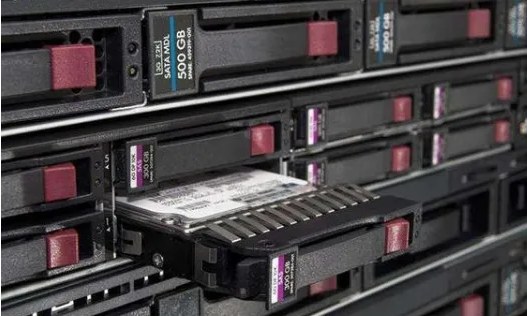
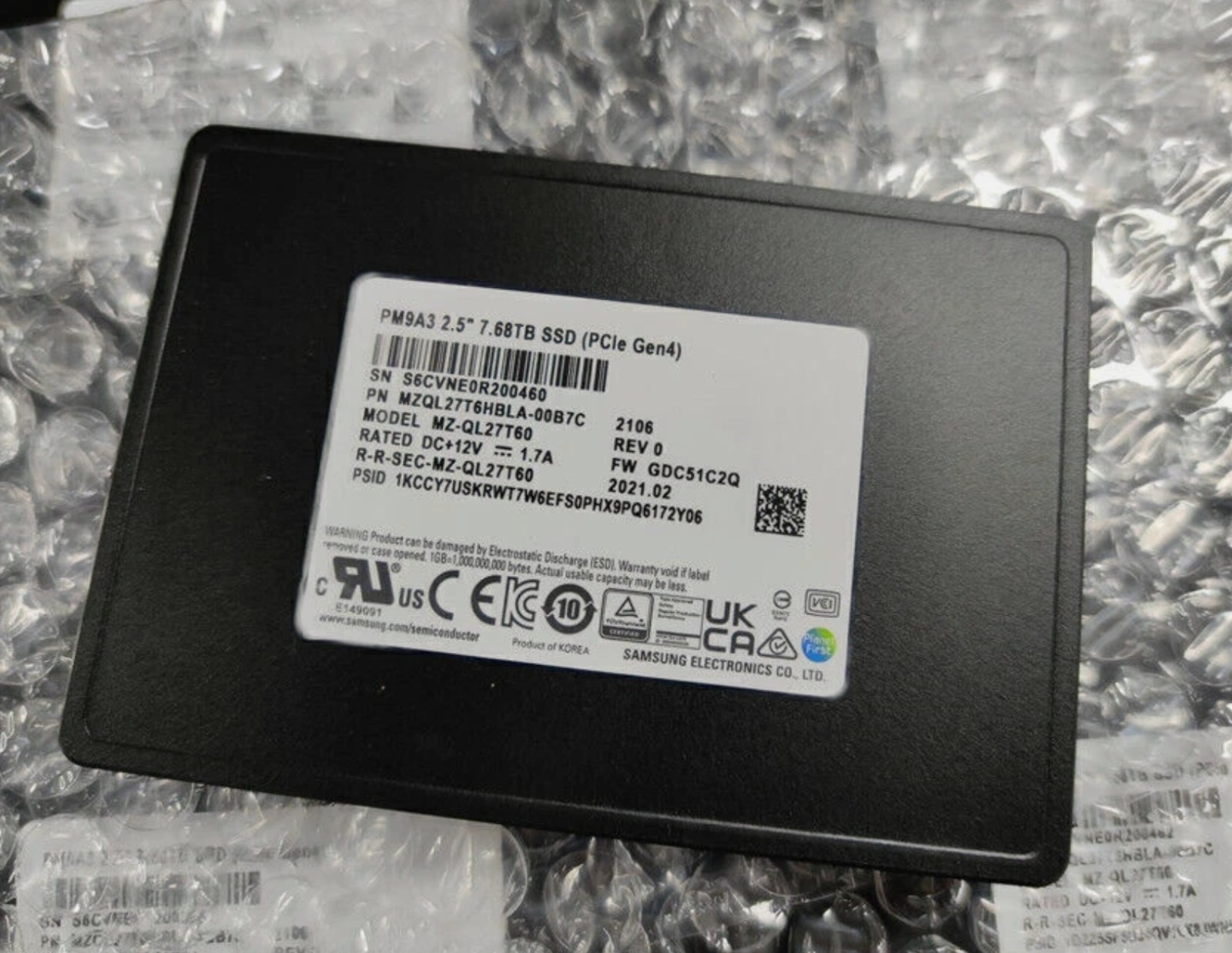
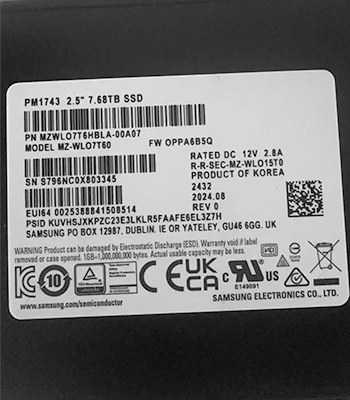
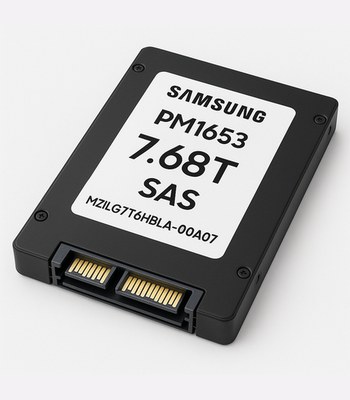
Servers use hot-swap form factors: 2.5" U.2/U.3 NVMe, E1.S and E3.S EDSFF, and 2.5" SAS. Examples: Samsung PM9A3 U.2, Samsung PM1743 E3.S, Samsung PM1653 SAS.
6. Management and security
NVMe-MI out-of-band management, telemetry, secure erase, self-encrypting options and signed firmware make fleet management practical.
7. Validation and warranty
Enterprise drives are qualified by server OEMs and backed by 5-year warranties. Consumer drives are rarely supported in server warranties.
Related products
Specifications are summarized from manufacturer datasheets and can vary by capacity and firmware; please verify against the datasheet for your platform. Trademarks belong to their respective owners; SSDtrader is an independent distributor.