

Solidigm D7-P5520 vs Samsung PM9A3 vs Kioxia CD7 vs Seagate Nytro 5350
Enterprise SSD Buying Guides2 min read · SSDtrader Team
These four drives often appear on the same RFQ because they all serve read-intensive data-center workloads. They are not all equivalent, though: one important difference is PCIe generation.
| Solidigm D7-P5520 | Samsung PM9A3 | Kioxia CD7 | Seagate Nytro 5350 | |
|---|---|---|---|---|
| PCIe generation | PCIe 4.0 | PCIe 4.0 | PCIe 5.0 | PCIe 4.0 |
| Main form factors | U.2, E1.S | U.2, M.2, E1.S | E3.S, 2.5" | U.3, E3.S |
| Endurance class | 1 DWPD | 1 DWPD | 1 DWPD | 1 DWPD |
| Typical role | General NVMe servers | General NVMe servers | PCIe 5.0 / EDSFF platforms | General NVMe servers |
Solidigm D7-P5520
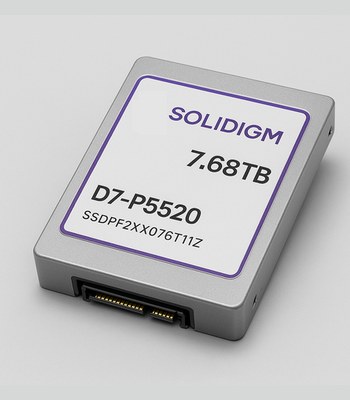
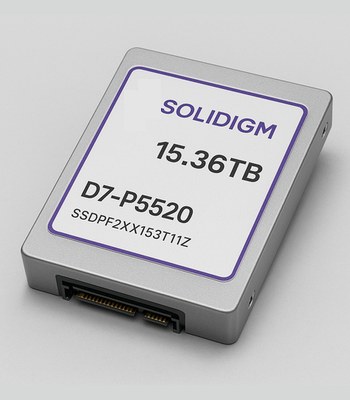
Strong sequential write and broad OEM qualification make the P5520 a safe default for U.2 PCIe 4.0 servers. Popular capacities: 3.84TB, 7.68TB, 15.36TB.
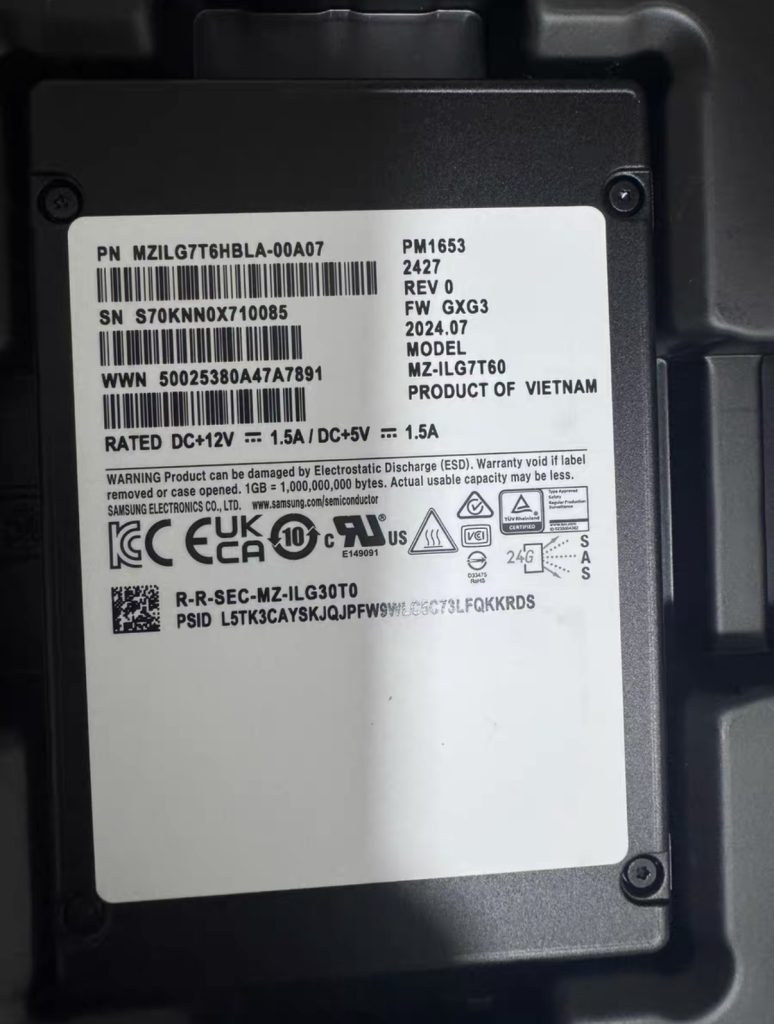
Samsung PM9A3
The PM9A3 is the most widely deployed of the group and the thinnest U.2 option at 7 mm. See the 7.68TB and 3.84TB models.
Kioxia CD7
The CD7 is a PCIe 5.0 drive designed around the EDSFF E3.S form factor. It is a good choice for new PCIe 5.0 servers with E3.S bays, but it is not a like-for-like replacement for PCIe 4.0 U.2 drives in older chassis.
Seagate Nytro 5350
Seagate's PCIe 4.0 data-center SSD ships in U.3 and E3.S. U.3 drives work in many U.2 bays when the backplane supports tri-mode, so confirm backplane compatibility first.
Which one should you buy?
- Existing U.2 PCIe 4.0 servers: P5520 or PM9A3, whichever has better stock and price on the day.
- New PCIe 5.0 EDSFF servers: CD7 or a PCIe 5.0 alternative such as the Solidigm D7-PS1010.
- Tri-mode U.3 backplanes: Nytro 5350 or U.3 versions of the above.
Related products

Specifications are summarized from manufacturer datasheets and can vary by capacity and firmware; please verify against the datasheet for your platform. Trademarks belong to their respective owners; SSDtrader is an independent distributor.