

What Is a Read-Intensive SSD? DWPD, Workloads and How to Choose
SSD Technology Explained2 min read · SSDtrader Team
Enterprise SSDs are sold in endurance classes. The class tells you how much data the drive is rated to write every day over its warranty period, measured in drive writes per day (DWPD).
| Class | Typical DWPD | Typical workloads | Example models |
|---|---|---|---|
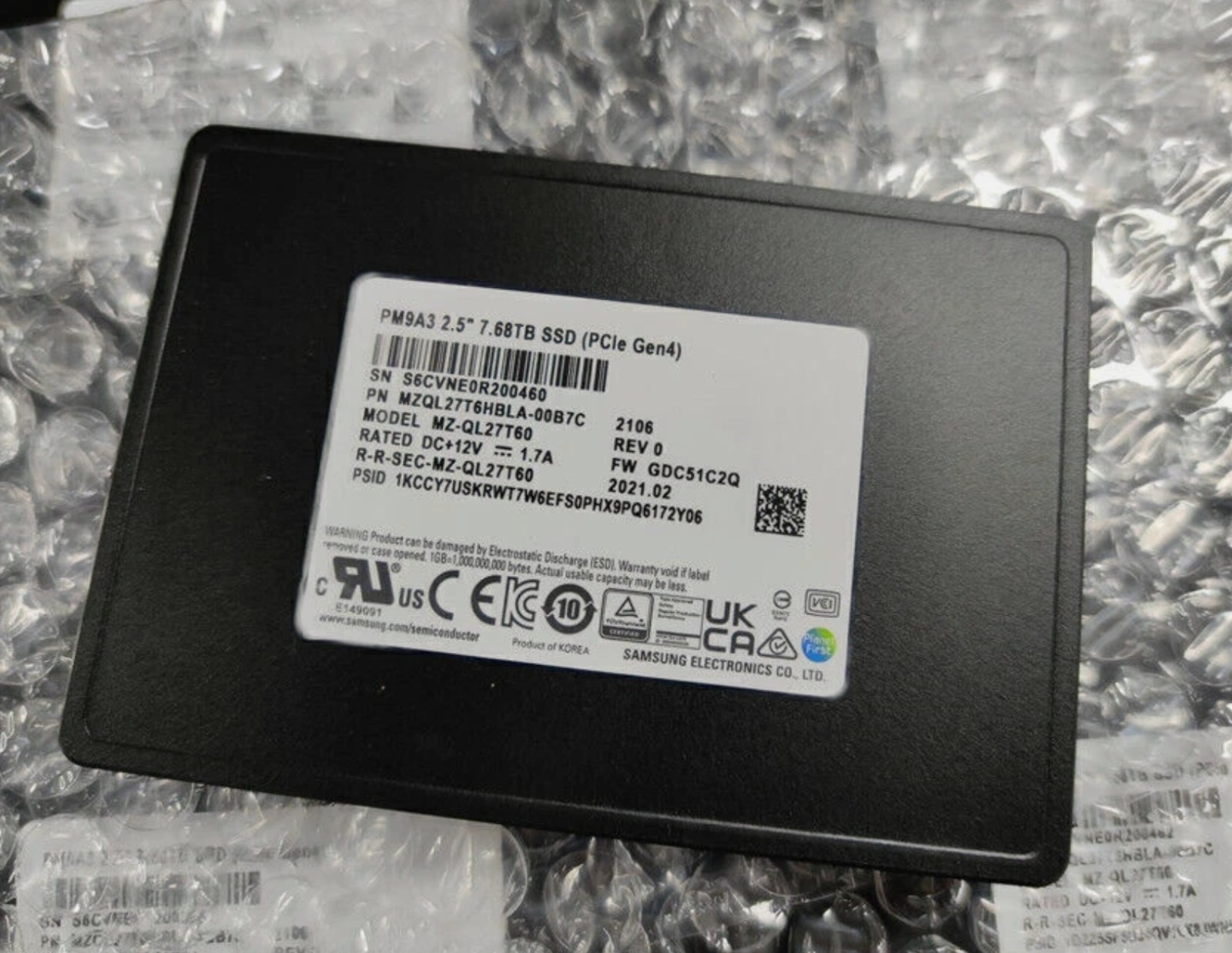
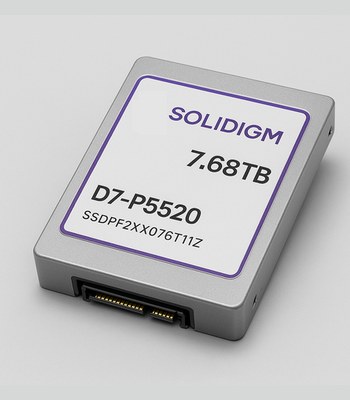
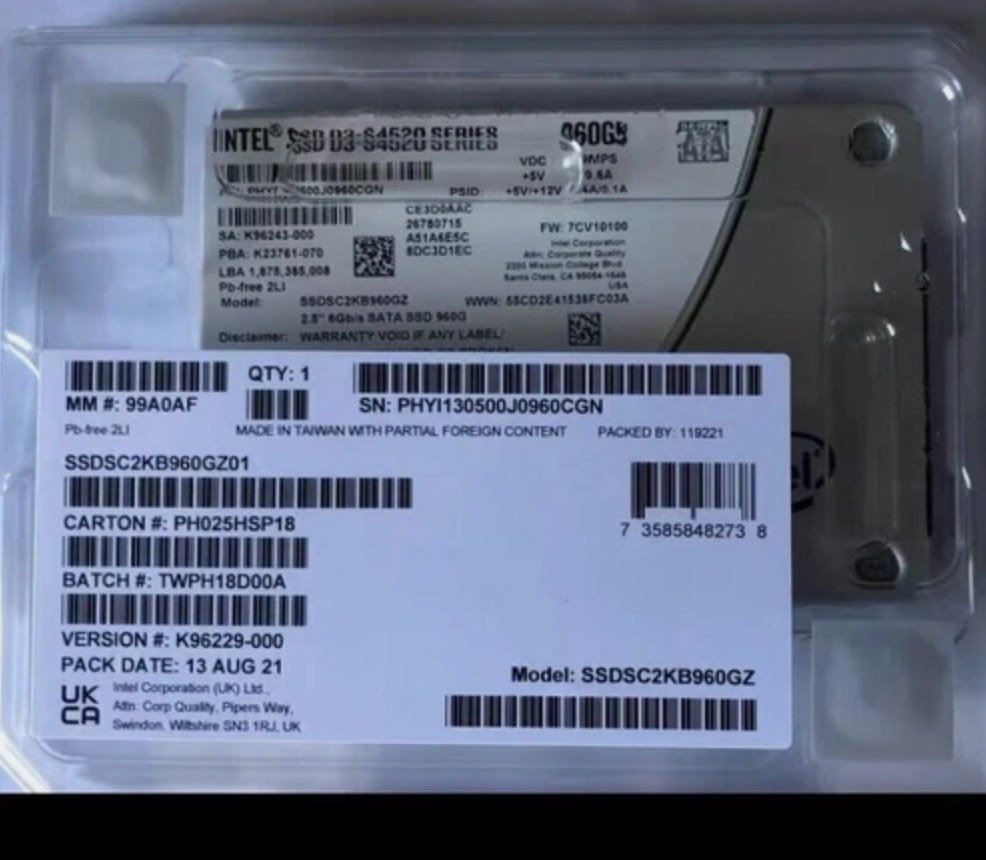
| Read-intensive | ≤1 DWPD | Web serving, virtualization, analytics reads, content delivery, boot | Samsung PM9A3, Solidigm P5520, Solidigm S4520 |
| Mixed-use | ≈3 DWPD | Databases, OLTP, VDI, caching with steady writes | Solidigm P5620, Solidigm S4620, Solidigm PS1030 |
| Write-intensive | ≥10 DWPD | Write caches, logging, journaling, metadata | Specialist SLC/Optane-class drives |
How to estimate what you need
Divide the data written per day by the drive capacity. A 3.84TB drive that receives 2TB of writes per day runs at about 0.5 DWPD, which a read-intensive drive handles comfortably. If the figure approaches or exceeds 1, choose mixed-use. Remember that RAID parity and write amplification increase the real writes reaching the drive.
Why not buy mixed-use for everything?
Mixed-use drives reserve more spare NAND (over-provisioning), so at the same physical NAND they offer less usable capacity and cost more per terabyte. For the majority of read-heavy enterprise workloads, read-intensive drives deliver the best cost per terabyte.
Read-intensive is not the same as low quality
Read-intensive enterprise SSDs still include power-loss protection, end-to-end data protection and consistent latency under sustained load, features consumer SSDs usually lack. The endurance class only describes the write budget.
Related products
Specifications are summarized from manufacturer datasheets and can vary by capacity and firmware; please verify against the datasheet for your platform. Trademarks belong to their respective owners; SSDtrader is an independent distributor.